
Eliminate Inconsistent Blending With the Right Pet Food Mixing Equipment
- Pet owners expect a lot from the pet food they purchase, with ever-increasing expectations that are today practically on par with human food quality, food safety, nutrition and health benefits.
- Producing such high-quality pet food requires pet food mixing equipment that is just as robust and sophisticated, designed to meet many of the same regulatory and technical standards as human-grade equipment.
- Looking to the consumer demands of tomorrow, pet food products will continue to diversify and expectations will set the bar even higher, making it all the more important to utilize the right pet food mixing equipment.
When it comes right down to it, pet food is made for animals, but is marketed and sold expressly to humans. In this way, pet food has two parallel functions in the market: to provide vital nutrition to pets while at the same time appealing to the sensibilities of pet owners.
Now that you’re thinking about the dual role of pet food products, let’s add the concept of manufacturing quality into the equation. Just like with human food, manufactured or processed pet food products are an engineering solution to large-scale demand. In fact, pet food processing has mirrored the scale and complexity of human food products for some time now, to the point that most new pet food process systems – including pet food mixing equipment – and facilities are constructed to human-grade standards.
In other words, modern pet food and human food production are rapidly becoming equal in terms of food safety, process automation, traceability and hygienic code compliance.
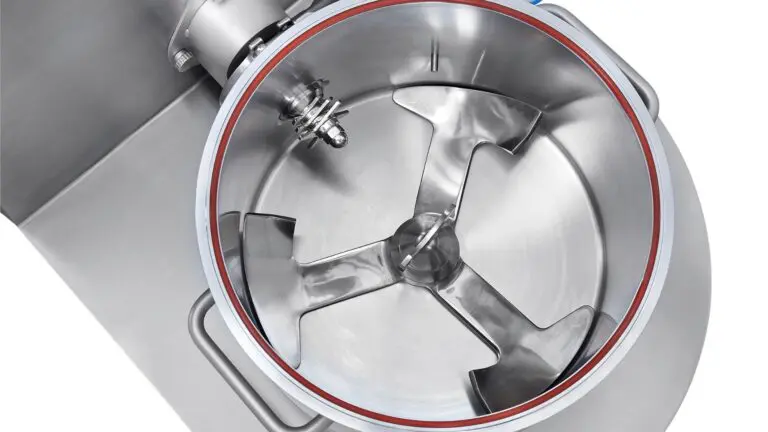
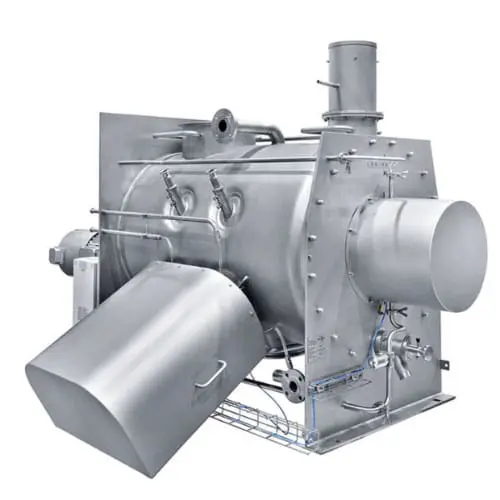
To go even further, specific pieces of process equipment are practically identical (if not actually identical) between human and pet food. Case in point: mixing and blending equipment, such as the Lodige Hygienic Ploughshare Mixer. This type of industrial mixing equipment has significant bearing on how pet food products will ultimately turn out, both in terms of nutritional function and consumer appeal. But to get to the pet, pet food must satisfy its human customer first, which makes the impacts of mixer technology on pet food products so critical for manufacturers to understand.
How Pet Food Mixers Influence Important Product Parameters
Given that pet food mixing equipment impacts the food it produces, let’s run through the most important production factors that human buyers scrutinize when selecting pet food:
- Consistency: Product consistency refers to how uniform a pet food’s physical properties are across single and multiple servings over time. A properly designed mixer can easily produce highly consistent batches free of clumps, stratification and uneven ingredient distribution, which buyers equate to a manufacturer’s integrity and trustworthiness.
- Texture: Interestingly, people gauge human food texture with our mouths, but gauge pet food texture mostly with our eyes (and sometimes our fingers). For this reason, pet food mixers have to squarely target product profiles that fit a human’s visual expectations of palatable, protein-rich pet food. Pâtés must be smooth, kibble must be firm and mildly rough, and stews must have visible meat-like fibers.
- Appearance: Aside from texture, there are additional appearance factors that humans consider when it comes to pet food. Color, shape, recognizable ingredients (like vegetable or meat chunks), and natural-looking ingredient variations signal a high-quality recipe. For kibble powders, mixers focus on even color distribution and tone. For wet foods, mixers focus on homogeneity and maintaining solids integrity.
- Aroma: Second only to nutrition, aroma (or smell) is one pet food attribute developed to appeal to the pet more than the human buyer. Since pets distinguish good food almost entirely with their noses, pet food recipes are largely formulated around their aroma component. Advanced pet food mixers will evenly distribute aromatic ingredients, and be completely cleanable so aromas don’t carry over across batches.
- Nutrition: Today, pet food nutrition is a major selection factor that human buyers evaluate. More so, humans look for recognizable third-party certifications on pet food labels such as AAFCO, FEDIAF or AVMA. Pet food mixing processes must be designed with the nutritional component of food recipes in mind, which often entails low heat to protect nutrients and reliable functional ingredient dispersion.
- Therapeutic value: Building on the above nutritional value topic, pet food shelves today are packed with recipes designed for specific therapeutic uses. Senior animal, young animal, hypoallergenic, digestive support, joint mobility and weight management are just a few examples. Also, like nutritional value, pet food mixers for therapeutic products must protect medicinal and functional ingredients.
- Food safety: Pet food products (and entire brands) are increasingly assessed for human-grade food safety. Buyers want to see evidence of sanitary manufacturing practices and premium quality ingredient supply chains, even looking for labeling indicators such as SQF-certified facilities and cGMP compliance. This pushes mixers towards full-blown hygienic design with validated sanitation and process controls.
- Corporate responsibility: Many pet owners seek out pet food manufacturers’ corporate responsibility commitments, mirroring human food trends. Full supply chain traceability, active recall communication, educational outreach and corporate transparency are just a few examples. Pet food mixing equipment supports these initiatives by being hygienic, highly automated and tied to resilient recordkeeping systems.
Solving for the Future of Pet Food Processing
Since we’re talking about how the right pet food mixing equipment drives up product quality and drives down inconsistency, let’s also consider what these attributes might look like in the future. With our own projects, we’re exposed to many sides of the pet food market involving animal byproducts, rendered and dry ingredients, bulking materials, and, of course, finished pet food itself. From this experience, we see firsthand how many manufacturers uniquely explore emerging opportunities, which include:
- New quality definitions: Pet food labeling seems to trail human food identity trends by about five to 10 years, currently catching up to label categories such as “fresh,” “minimally processed,” and “organic.” In addition, some brands are carving out a new category of “nutraceutical” pet food, positioned between regular and prescription food types.
- Ingredient diversification: More and more human food producers see pet food manufacturing as a developing market for their edible waste. Instead of paying to landfill byproducts, human food producers can earn revenue by processing and selling byproducts as pet food ingredients. This trend is creating a growing array of available ingredients that pet food developers can use to create novel recipes.
- Portioning and formats: The next time you walk past a pet food aisle, have a look at the countless portion sizes and container formats available. From chewy treat packs to single-serve meal cups, bulk kibble bags to meal topper pouches, pet food has grown into more options than practically any single category of human food. The more packaging formats, the more recipes and product types.
- Imports and exports: Along similar lines as byproduct ingredients above, pet food ingredients are increasingly imported and exported in the pursuit of new revenue streams. Domestically, many pet food manufacturers import frozen protein from foreign countries at rock-bottom pricing to offset starches and fillers that cost more stateside. This expands byproduct opportunities even further.
Happy Humans, Happy Pets, In That Order!
Though we’re saying it a bit tongue-in-cheek, it is true that pet food products have to please humans before they ever get the chance to please pets! And as we can see from the four future trends above, that correlation is only getting stronger.
At the center of the whole equation sits the industrial process equipment that ties it all together, producing premium quality, highly consistent pet foods that humans want to buy and pets want to eat. To learn more about industrial pet food mixing equipment, contact us.