
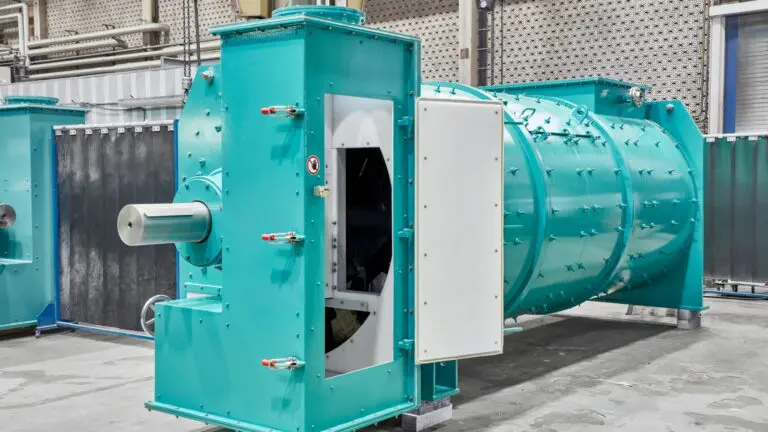
How Fine Chemical Manufacturing Overcame the Reactor Bottleneck
Key Takeaways
- The reactor bottleneck refers to a historic limitation in fine chemical manufacturing where ultra-high value fine chemicals could not keep up with demand based on technological shortfalls.
- Modern chemical manufacturers have largely overcome this bottleneck by leveraging new scientific and engineering advancements, opening many opportunities in the fine chemical market.
- The symptoms and solutions to the reactor bottleneck are very valuable for manufacturers to be aware of, as they can be applied to existing systems for great benefit.
Throughout history, many scientific domains have experienced technological leaps that single-handedly propelled their industry forward. The fine chemical manufacturing industry is living through their own such leap forward right now: Overcoming the reactor bottleneck.
Let’s quickly get you up to speed:
- What is a reactor? A reactor is a piece of chemical processing equipment designed to facilitate chemical reactions as part of a wider chemical manufacturing operation.
- What are fine chemicals? Fine chemicals are a subset of manufactured chemical compounds recognized as high purity and high value. Examples include pure organic extracts, active pharmaceutical ingredients and rare natural fragrances.
- What is the reactor bottleneck? This is a historic technical limitation involving legacy reactor designs that could not keep up with the quality, complexity and volumes needed to produce cutting-edge fine chemicals.
Today, the reactor bottleneck has largely been eradicated thanks to many small advancements over many years.
We’d like to share these advancements – and the underlying issues they address – so that you can apply their benefits in your own fine chemical manufacturing operation.
Understanding the Reactor Bottleneck in Fine Chemical Manufacturing
The reactor bottleneck is two things at once: a series of process challenges brought about by how fine chemicals have traditionally been processed, and the resulting operational impacts that hamper an organization’s effectiveness.
Spanning both elements, here are the core symptoms of the reactor bottleneck:
- Clogging and bridging: Traditional fine chemical production on batch reactors (or similarly low-tech reactors) experienced significant solids accumulation on reactor sidewalls and nozzles, disrupting mixing and breaking reaction cycles.
- Aggregation: Fine chemicals are especially sensitive to clumping, which often occurred with reactors that couldn’t provide adequate mixing shear. These clumps would lead to inefficient reactions and poor product quality.
- Segmented flow: The above two problems would often cause a third issue of segmented flow, or partially flowing product that would break up as it was processed.
- Poor heat transfer: Poor thermal performance is another classic symptom of the reactor bottleneck, where inconsistent product properties led to uneven heating and cooling, frequent fouling, batch-to-batch carry over and ineffective cleaning.
Altogether, fine chemical businesses could not tolerate the low operational performance and high losses brought about by these issues, especially when trying to scale up to profitable volumes.
Overcoming Traditional Reactor Limitations through Advanced Process Techniques
After what we estimate to be about 30 years of continuous investment in overcoming the reactor bottleneck, the fine chemical industry remade itself around these new, profitable process features:
- Continuous flow processing: Fine chemical processors discovered that continuous flow reactors with high surface areas performed infinitely better than traditional reactors, enabling more reliable processing at elevated temperatures and pressures while drastically cutting reaction times.
- Process Intensification: Next, fine chemical systems were enhanced using “intensification” techniques, where design features were exploited or exaggerated positively. For example, heat exchange baffles were added to intermediate vessels to improve process performance without requiring new equipment.
- Advanced catalysis: Reactions were sped up and further intensified through the addition of catalysts. Impressively, this represents an entirely new domain of fine chemical processing science focused on identifying and developing novel catalysts that work with all types of organic and synthetic fine chemicals.
- Modular reactor designs: Borrowed from other industries like food and pharma processing, the concept of modular process designs made its way into fine chemicals. Modular process designs utilize packaged process systems that can be readily scaled and customized to new business needs.
- Process development: Modern process development practices such as pilot plant validation, computational reaction modeling, predictive simulation and real-time process control optimization have provided fine chemical manufacturers with additional ways to analyze and optimize their operations.
Taking Inspiration From the Reactor Bottleneck Story
Chances are, your fine chemical manufacturing operation shows similar symptoms to the reactor bottleneck. Even if it doesn’t, it’s likely that the ideas and methods that solved the reactor bottleneck might provide some inspiration for improvements in your plant. If any of these concepts spark such opportunities, we’d be happy to share more.