Modernizing Aging Mixing Equipment: Reduce Downtime and Improve Consistency
Three Key Takeaways
- Mixer modernization refers to upgrading aging process mixing systems with next-generation components, providing big boosts to mixer performance.
- By modernizing process mixing systems, manufacturers can greatly extend the life of their equipment while improving uptime and product quality.
- Mixer modernization opportunities can range in size, cost and payback, making it important to properly evaluate options against your organization’s specific needs.
While there isn’t a single figure that covers all mixing equipment on the market, most industrial process mixing systems are considered to be 20- to 30-year assets. It goes without saying that some systems will naturally fall under or over this range, both of which have a lot to do with how well the system is maintained.
The process of modernizing aging mixing equipment combines maintenance service work with generational upgrades for key components into a single process. New mixing systems can easily surpass the 20- to 30-year average lifespan while gaining the performance benefits of current-gen models.
Framing Mixer Modernization as a Solution to Organizational Needs
Let’s think about mixer modernization from your perspective as a process manufacturer.
Most likely, mixer modernization might come to mind as a potential solution to existing issues that you’re facing or as a chance to pounce on emerging opportunities for your business. Either way, you have a need that modernization might just fill.
Here are the main benefits that such upgrades can provide for your business:
- Prolonged asset life
- Increased process performance
- Reduced downtime
- Improved product consistency
- Reduced energy consumption
- Reduced maintenance costs
- Postponed equipment replacement
- Avoided premature replacement
While this list might look a little generic, we find it useful to spur ideas on how equipment modernization fits into fundamental manufacturing challenges. If any of these benefits would solve issues you have today, modernizing aging mixing equipment is worth a deeper look.
Specific Examples of Mixer Modernization Opportunities
To make this all more tangible, let’s state things another way: Mixer modernization is different than simple upgrades or service, as it specifically replaces components with newer, improved technologies that offer exponential improvement compared to like-for-like replacement.
Here are a handful of examples of mixer modernizations that we help customers like you perform all the time, each specifically contributing to mixer reliability and product consistency:
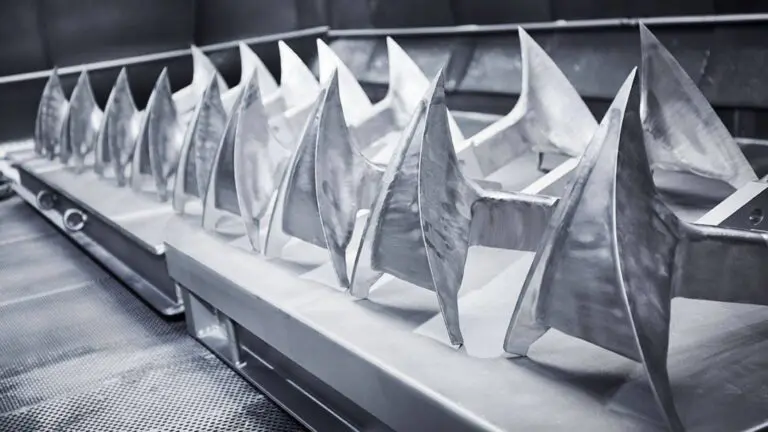
- Agitator elements: Agitator components can be replaced with vastly more efficient CFD-engineered (computational fluid dynamics) elements.
- Sanitation devices: Cleaning components can be upgraded to rotary cleaning heads or constant-pressure nozzles, often coupled with re-piping spray headers and repolishing interior finishes for improved cleaning action.
- Safety components: Legacy safety switches and alarms can be modernized with light curtains, poka-yoke controls and certified SIS (safety instrumented system) sensors.
Get Help With Modernizing Aging Mixing Equipment
The few examples of modernization opportunities above are just the tip of the iceberg, as full-tilt modernization can easily expand to full instrumentation replacement, complete batch control system upgrades, utility system overhaul and more. For help assessing your mixers for modernization opportunities, contact us.