Three Key Takeaways
- Scaling pet food manufacturing calls for creating products and business practices that align with a market that treats pet food and human food equally.
- Pet food buyers are increasingly seeking high-quality natural ingredients in pet food and health benefits for their pets: Manufacturers must incorporate these market conditions into their growth plans.
- Pet food quality is of specific concern when scaling production, as manufacturing practices and process systems that work at smaller scales often need to be overhauled to maintain quality at larger scales.
The pet food manufacturing market is a turbulent place these days, but in good ways. Pet food demand is through the roof, and customers are resoundingly interested in healthier, more nutritious products. Both market trends have no end in sight, and are putting pressure on manufacturers looking at scaling pet food production in ways that mirror market expectations.
For the pet food manufacturers that we serve with process equipment and expertise, every scale-up project has two primary goals:
- Increase pet food production via a product mix that targets where the market is headed, not where it is today.
- Implement manufacturing and technical operations virtually equivalent to human-grade food production.
Premier pet food manufacturers sit at the intersection of these two strategies: In concept, meeting these goals seems easy, but things quickly get complicated when you have to translate them into operational practices and process specifications.
The Market Side of Scaling Pet Food Production
A great phrase we’ve heard that can help orient you to this topic is that pet food is made for animals, but is exclusively sold to and purchased through human tastes. In this frame of mind, growing a pet food business requires marketing and brand signals that appeal to a human’s perception of high-quality animal food, which includes:
- Meeting higher buyer quality expectations through corporate responsibility programs like ethical sourcing and traceability.
- Premium packaging that communicates nutrition (like visible protein patterns) and lifestyle alignment (like “vegetarian” labels).
- Broadcasting organizational trust attributes such as “science-based recipes” and “veterinarian approved.”
The Process Side of Scaling Pet Food Production
On the production side of the equation, scaling a pet food business is half process integrity and half good manufacturing practices.
As production scales, there’s a point where “doing more of the same thing” simply won’t cut it. Solving this might mean switching to new production equipment, upgrading process automation platforms, overhauling staff training and implementing higher-tier quality control programs. The goal here is to drive heightened operational effectiveness in such ways as:
- Protecting nutritional attributes through highly automated, gentle processing systems operated according to formal, vetted procedures.
- Using standardized quality control practices and testing methods to ensure on-spec recipe consistency.
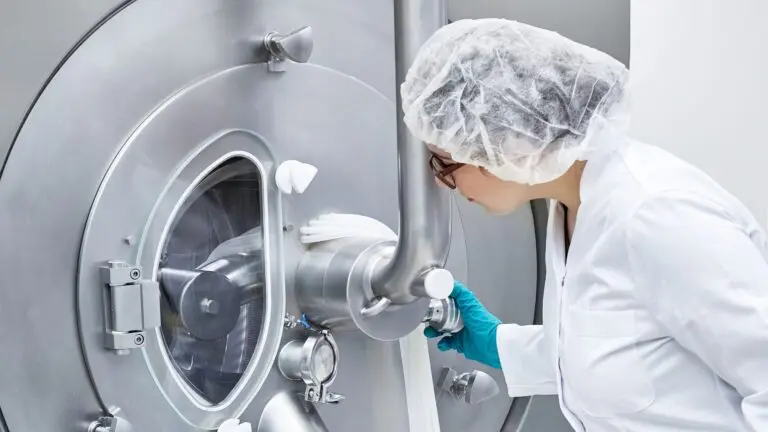
- Implementing advanced sanitation programs that meet or exceed human food-grade standards.
A Word on Quality When Scaling Pet Food Production
As you bring the above goals of meeting market forces and instilling process excellence together in your growing business, test each prospective change to ensure that product quality is maintained (if not improved) before moving on to the next change. To learn how, contact us here.