Vacuum Dryer Systems: 3 Ways to Reduce Product Loss During Drying
Three Key Takeaways
- Vacuum drying is an advanced process technology used to manufacture premium-grade powders and products.
- Compared to conventional technologies, vacuum drying substantially cuts product losses and greatly improves operating margins.
- Vacuum drying maximizes product yields through precise, gentle moisture removal, extreme batch tuning and optimal cleanability.
Vacuum drying is an advanced industrial manufacturing process that reduces a product’s moisture content. Most often, vacuum drying systems are used to make high-quality powder products such as food ingredients and chemical compounds.
In addition, vacuum drying serves many similar applications in organic waste, energy, recycling and sludge processing. Across all applications, one of vacuum drying’s greatest benefits is that it directly reduces product losses compared to conventional drying methods.
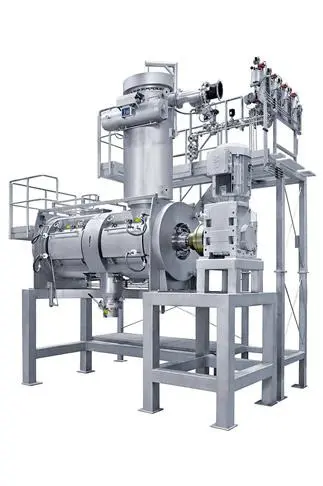
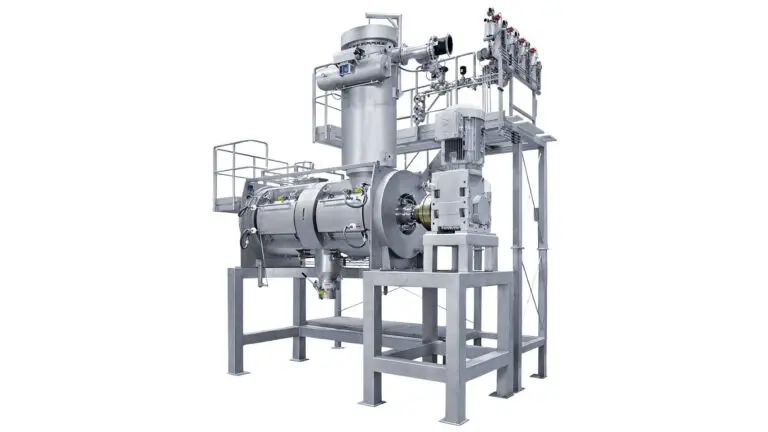
Looking at the Lodige Druvatherm horizontal vacuum dryer system as an example, these systems consist of a main product chamber that is mixed by a horizontal agitator while under reduced internal pressure. Under this vacuum condition, heat is added to the chamber indirectly through a steam or hot water jacket, which acts as the heat source, forcing moisture out of the product.
Vacuum dryer systems are excellent for dehydrating sensitive powder products, as drying under vacuum drastically lowers the temperatures, agitation force and product handling involved.
Common Sources of Product Loss in Drying Processes
Product drying processes come in many styles: vacuum drying is just one option. Belt dryers, tumbler dryers, batch hopper dryers and other conventional alternatives can suffer from elevated product losses when dealing with ultra-premium powder products, as caused by these issues:
- Poor thermal control
- Extended batch times
- Excess shear
- Incomplete mixing
- Incorrect particle size
- Prior batch carryover
- Failed chemical reactions
Any of these issues can lead to rejected waste product, none of which should be considered acceptable or unavoidable. In fact, vacuum dryer system technology gives us direct solutions to all these concerns.
Three Ways that Vacuum Dryers Reduce Product Losses
For a great many applications, vacuum drying provides manufacturers with a path leading away from inherent product losses and towards resounding process efficacy. In our experience, customers utilize these three main features of vacuum drying systems to virtually eliminate product losses:
- Precise jacket media and vacuum adjustability: Balancing vacuum levels and jacket temperatures better protects sensitive products, resulting in maximum batch yields every time.
- Extremely tunable batch parameters: Vacuum dryers open up many more options for tuning process variables such as batch times, agitation speeds, batch volumes and ingredient addition rates, all to eradicate losses.
- Optimized sanitation: Vacuum dryers provide optimal cleanability as a direct result of their gentler processing (i.e., low heat under gentle agitation), which in turn cuts product losses associated with poor cleaning.
Evaluating Vacuum Drying for Your Applications
The benefits of a vacuum dryer system are well within reach, including through augmenting existing processes or deploying new systems entirely. We’d be happy to help you evaluate your options here.